20 foods you shouldn’t feed to your dog
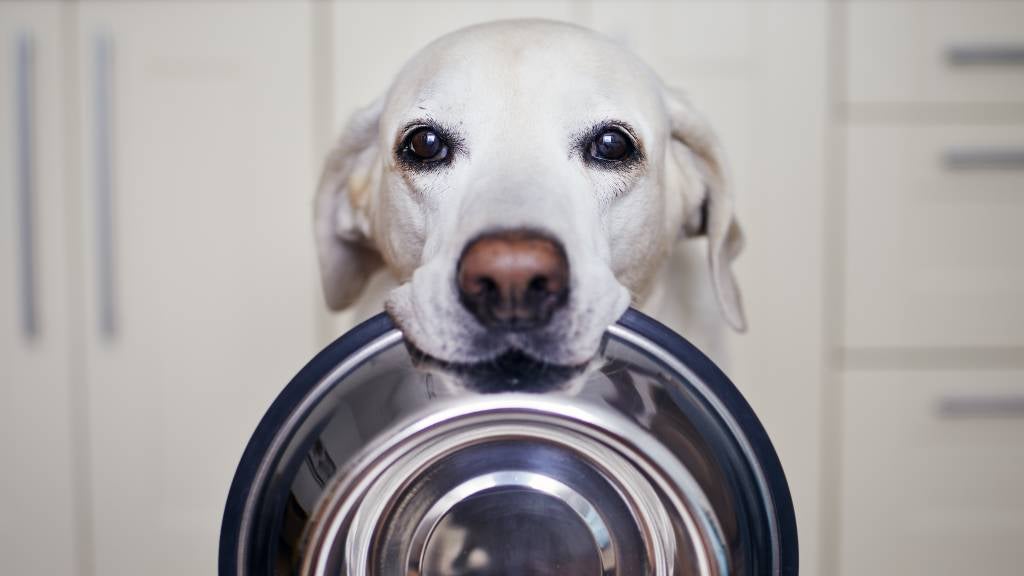
Some dogs love kai almost as much as they love their people (I’m looking at you, Labradors). But while those puppy dog eyes at the dinner table are hard to ignore, some everyday human foods can seriously harm dogs, even in small amounts.
Understanding what foods are toxic to dogs is an important part of responsible dog nutrition, so we’ve compiled a list of 20 common “human” foods that should never be fed to dogs, no matter how convincing the puppy dog eyes are.
Why some human foods are dangerous for dogs
Dogs process food very differently from humans. Ingredients that are harmless to us can be toxic to dogs because they:
- Can’t break down certain chemicals
- Absorb toxins more quickly
- Are much smaller than us, so small doses have a bigger impact
Knowing what foods to avoid feeding your pet is important for preventing food poisoning. But, additionally, many food-related poisonings can happen accidentally through dropped food, rubbish raids, or when out and about.
Top 20 foods dogs should never eat
1. Chocolate
We've all heard that chocolate is bad for dogs, but many people don’t realise just how dangerous it can be. Chocolate contains a chemical called theobromine, which is toxic to dogs and can cause vomiting, diarrhoea, tremors, seizures, and even death. The level of toxicity can be calculated to determine if your dog has consumed a dangerous amount of chocolate.
So be sure to hide the chocolate frogs, pineapple lumps, and Whittaker’s chocolate slabs, not just from your human co-habitants but also your four-legged ones!
2. Grapes and raisins
Grapes and raisins can also be toxic to dogs, although the exact mechanism is unknown. The effect varies between dogs, and even tiny amounts can cause kidney failure. In severe cases, they can cause lethargy, excessive thirst, vomiting, and fatality due to their toxic effects on the kidneys.
3. Onions and garlic
Onions and garlic - especially onion – contain compounds which can damage a dog’s red blood cells and cause anaemia. These ingredients are especially risky because they’re found in so many everyday foods, like gravies, soups, casseroles, stir-fries, marinades, and even some baby foods and stock powders, so dogs can be exposed without their owners realising.
While onions should never be fed to dogs, some commercial dog foods contain very small amounts of garlic that are considered safe when used appropriately in a balanced diet. Problems most often arise when dogs are fed onion, or garlic-containing human foods, supplements, or large quantities over time. For this reason, it’s best not to share onion or garlic-flavoured human foods with your dog.
Over time, or after a large single dose, the damage to red blood cells can reduce the blood’s ability to carry oxygen, leaving dogs weak, lethargic, and less keen to exercise. In more serious cases, affected dogs may develop pale gums, rapid breathing, or a faster heart rate, and may need veterinary care and close monitoring.
4. Xylitol
Xylitol is a sweetener which is widely used in sugar-free products such as chewing gum and some peanut butter brands as well, so owners should check before buying. It’s also toxic to dogs, with even small quantities causing low blood sugar, seizures, and even fatal liver failure.
Sugar-free lollies, mints, and baked goods may seem like a healthier option, but for dogs they can be extremely dangerous. If these products contain xylitol, they can cause sudden weakness. If your dog eats anything labelled “sugar-free” or “diet”, contact your vet straight away for advice.
5. Avocado
Avocados contain a substance called persin, which can cause vomiting and diarrhoea in dogs. The pit is also a choking hazard. Persin is found in the flesh, skin, leaves, and pit of the avocado, and while small amounts of the flesh may cause only mild stomach upset in some dogs, larger amounts could cause more serious issues.
The high fat content in avocados can also contribute to pancreatitis, a painful inflammation of the pancreas that often needs veterinary treatment – but this would only be the case if very large quantities are consumed. The large, smooth pit is particularly dangerous because dogs may try to chew or swallow it, which can lead to choking or an intestinal blockage that may require surgery. To be on the safe side, it’s best not to share avocado with your dog and to keep guacamole, peels, and pits well out of reach, especially if you have avocado trees on your property.
6. Raw potato
Raw potatoes contain a substance called solanine, which can be toxic to dogs. They can also cause intestinal blockages, upset stomach, spike blood sugar levels in diabetic pets and cause kidney problems.
Solanine is a natural defence chemical found in higher concentrations in raw, green, or sprouted potatoes, and it can irritate the gastrointestinal tract while potentially affecting the nervous system, leading to symptoms like lethargy, drooling, or tremors.
Raw potatoes pose an extra risk because they’re harder to digest and can expand or form sharp chunks in the gut, worsening blockages. For dogs with diabetes, the natural starches break down into sugars that can cause dangerous blood glucose spikes, while the oxalates in potato skins may contribute to kidney strain over time.
Always opt for cooked, peeled potatoes in tiny amounts as an occasional treat (if at all), and keep raw spuds, eyes, and peels securely stored away from curious pups.
7. Yeast dough
Yeast dough can expand in a dog’s stomach, causing pain and potentially leading to serious gastrointestinal issues such as bloat.
As the yeast ferments in a warm, moist environment like your dog’s stomach, it keeps producing gas and expanding the dough, which stretches the stomach painfully and increases risk of gastric dilatation-volvulus (GDV or bloat), where the stomach twists and cuts off blood flow.
The fermentation process also creates alcohol that gets absorbed into the bloodstream, potentially causing drunken behaviour like staggering, disorientation, weakness, or even hypothermia and coma in severe cases.
Even a golf-ball-sized piece can be dangerous for a small dog, so keep unbaked bread, pizza dough, or cinnamon roll dough high up on counters, in sealed containers, or in the fridge, and never offer it as a ‘treat’.
8. Milk and dairy products
Most dogs are in fact lactose intolerant, and will often end up feeling unwell after consuming large amounts of milk and other dairy products. While small amounts of these foods may not cause any problem, if ingested in large amounts they can cause digestive upsets (e.g. vomiting and diarrhoea). It’s best to avoid these foods when it comes to keeping a regular diet for your dog.
9. Caffeine
Caffeine can be dangerous to dogs, causing vomiting, increased thirst, abdominal discomfort, seizures, and (in large quantities) even death. So, keep coffee, tea, and energy drinks out of reach.
Caffeine stimulates the central nervous system far more intensely in dogs than in humans, leading to restlessness, rapid breathing, heart palpitations, and muscle tremors even from the moderate amounts found in a single coffee pod or energy drink. It’s not just beverages at risk – caffeine hides in chocolate (already covered earlier), some medications, diet pills, and even certain ice creams or protein bars, making everyday items sneaky hazards.
Dogs metabolise caffeine much more slowly, so effects can linger and worsen, sometimes requiring intensive veterinary care like IV fluids or medications to stabilise the heart. To stay safe, store all caffeinated products in high cabinets or locked cupboards, and be extra cautious at cafes or picnics where spills happen.
10. Macadamia nuts
Macadamia nut poisoning can cause dogs to develop weakness in their rear legs, show signs of pain, have tremors and develop a low grade fever. They’re common in holiday treats, scroggin mixes, and biscuits, so check ingredient lists carefully and store nut bowls or gift tins high up or in closed cupboards to prevent sneaky snacking.
11. Cooked bones
While dogs love to chew bones, cooked bones are a hazard. They can splinter, causing choking or internal injuries.
Cooked bones are also brittle, which means they’re likely to break into sharp fragments as your dog chews. These shards can get stuck between teeth, lodge in the throat, or puncture the stomach and intestines, sometimes requiring emergency surgery.
Even if they don’t splinter, large pieces can cause painful constipation or blockages further down the digestive tract. It’s safest to scrape leftovers into the bin straight away and keep plates and BBQ scraps well out of reach.
12. Alcohol
Even small amounts can cause vomiting or breathing difficulties. Dogs are much more sensitive to alcohol than humans, so what seems like a small sip to us can be dangerous to them.
Alcohol can depress the central nervous system, leading to unsteady walking, low body temperature, low blood sugar, and, in severe cases, seizures or coma.
Remember that it’s not just drinks that pose a risk; foods made with alcohol, fermented doughs, or some desserts can also contain enough alcohol to be harmful. Keep glasses, bottles, and alcoholic treats off the floor and away from curious noses.
13. Raw eggs
Raw eggs may contain bacteria like salmonella and interfere with nutrient absorption. While cooked eggs can be a healthy treat in moderation, raw eggs are risky because they can carry harmful bacteria that can make dogs (and people) very sick.
Over time, regularly feeding raw egg whites can also affect how your dog absorbs certain vitamins, potentially leading to skin or coat issues. If you like the idea of eggs as an occasional snack, make sure they’re thoroughly cooked and served plain, with no added salt, butter, or oil.
14. Fruit stones
As well as containing naturally occurring cyanide compounds, hard seeds and stones can crack teeth or become stuck in the throat or gut. If you’d like to share stone fruits – and even apple – with your dog, always remove the core, seeds, and stone first.
15. Fatty trimmings
While these tasty morsels are highly sought after by our pets, high-fat scraps can trigger pancreatitis and digestive upset.
Feeding leftovers like fatty meat, skin, and gravy can overwhelm your dog’s digestive system, even if they seem to tolerate them at first. Pancreatitis (inflammation of the pancreas) is a very painful condition that can cause vomiting, abdominal pain, diarrhoea, and loss of appetite, and it often requires hospital care.
To protect your dog’s long-term health, scrape fatty trimmings into the bin instead of the food bowl and stick to dog-safe treats.
16. Corn cobs
Corn cobs are not digestible and commonly cause intestinal blockages. Many dogs love the taste of corn, but the cob itself is a major hazard. Dogs often swallow large chunks or even whole cobs, which can lodge in the stomach or intestines and block the passage of food.
Signs of a blockage include repeated vomiting, loss of appetite, and abdominal pain, and surgery is usually needed to remove the obstruction. If corn is on the menu, keep used cobs away from pets and never leave plates or BBQ scraps unattended.
17. Salty foods
Excess salt can lead to dehydration and, in severe cases, sodium poisoning. Foods like chips, processed snacks, cured meats, and some takeaways are far saltier than anything a dog’s body can safely handle. Too much salt can make dogs extremely thirsty and lead to vomiting, diarrhoea, and tremors.
Dogs with heart or kidney disease are especially vulnerable. Instead of sharing salty snacks, offer your dog their own low-salt treats and make sure they always have access to fresh water.
18. Nutmeg
Nutmeg contains myristicin, which can cause tremors and seizures. Nutmeg is often used in baked goods and festive dishes, but moderate amounts can cause serious neurological signs in small dogs.
In addition to tremors and seizures, affected dogs may become disoriented, agitated, experience a rapid heart rate, or show changes in blood pressure.
Because nutmeg is often mixed into sweet treats that also contain sugar or fat, it’s best to keep spiced desserts and baked goods off your dog’s menu altogether.
19. Mouldy food
Mouldy food may contain toxins that impact the nervous system of dogs. When food starts to mould, certain fungi can produce potent toxins that affect a dog’s brain and nerves.
Dogs that raid compost bins, rubbish bags, or old pet food are at risk of developing symptoms such as shaking, stiffness, high body temperature, and seizures.
Because these toxins can act quickly, mouldy food should never be offered as a “treat” or scraped into the yard for pets to pick at. Secure bins and compost heaps so your dog can’t help themselves.
20. Processed meats
Highly processed meats are often high in salt, preservatives, and fat, which aren’t suitable for dogs. Sausages, salami, bacon, ham, and deli meats may smell irresistible, but they come with a cocktail of ingredients that can upset your dog’s stomach and strain their organs.
Regularly feeding processed meat can contribute to weight gain, pancreatitis, and increased thirst or urination due to the high salt content. Some products may also contain onion, garlic, or other seasonings that are unsafe for dogs. If you want to share something special, choose plain, cooked, lean meat in a tiny portion instead.
How to keep your dog safe: Feeding and treat tips
The safest way to support good dog nutrition is to stick to a nutritionally-balanced, dog-specific diet and avoid feeding table scraps, which are often high in fat, salt, and seasonings. Many human foods can cause digestive upset or longer-term health issues.
Always check ingredient labels carefully, as some products contain hidden ingredients like xylitol or onion that are toxic to dogs. At home, store food securely and use pet-proof bins to prevent accidental snacking from benchtops or rubbish.
When it comes to treats, choose dog-safe or vet-approved options designed specifically for dogs, rather than human food alternatives.
If something goes wrong
If you believe your dog has eaten something harmful, contact your vet immediately or call the New Zealand Animal Poisons Helpline on 0800 764 766. Never induce vomiting unless instructed by a professional.
And because accidents can happen, SPCA Pet Insurance can help cover a portion of eligible vet bills if your dog becomes unwell. So, you can focus on getting them feeling better.

Sophie Herlihy
Writer, zookeeper and conservationist
Sophie is an accomplished zookeeper and conservationist with a background in the veterinary industry and conservation education. With extensive experience working with animals, their welfare is always her top priority. Sophie lives in rural Aotearoa with her menagerie, including 2 cats, 4 chickens, and 12 dogs (most notably her trusty black Labrador, Jellybean). She works in a near-by wildlife sanctuary, and is passionate about educating and supporting pet owners to provide the best possible care for their animals.
2 Mar 2026